

Sprinter Van Ambulance: Mercedes-Benz Models, Types and Specifications
A sprinter van ambulance combines the maneuverability of a van with the working space, payload capacity, and modularity required for professional patient transport and emergency medical response. For hospitals, private ambulance operators, ministries of health, municipalities, and humanitarian organizations, the Mercedes-Benz Sprinter is one of the most adaptable platforms available for ambulance conversion.
However, choosing a Mercedes Sprinter ambulance is not simply a matter of selecting a vehicle and adding medical equipment. The base model, gross vehicle weight, wheelbase, roof height, interior layout, electrical system, climate conditions, medical purpose, and destination-country regulations must be evaluated together. This guide explains the main decisions buyers should make before requesting a technical and commercial quotation.
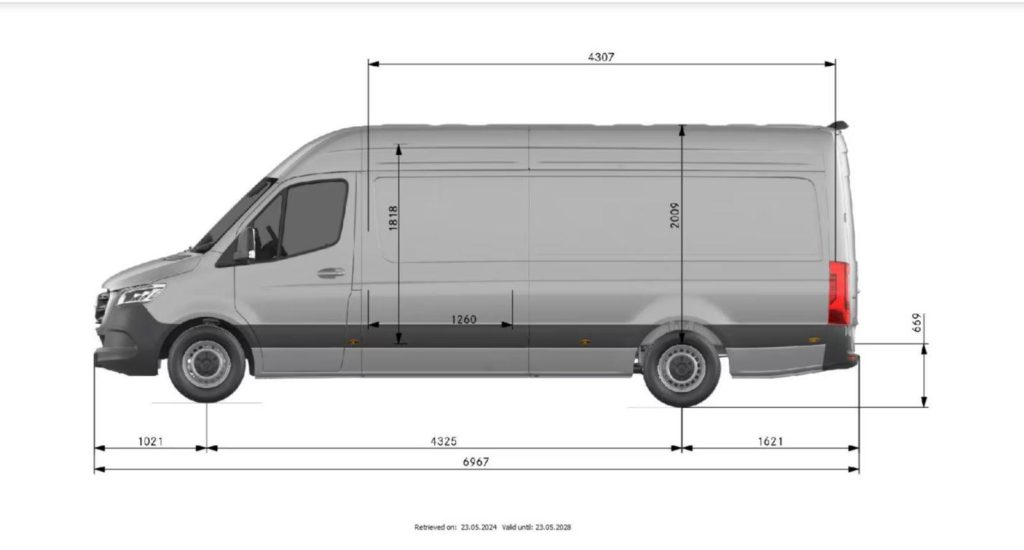
What Is a Sprinter Van Ambulance?
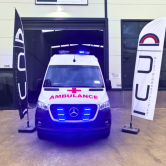
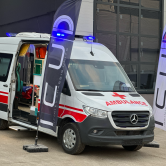
A Sprinter van ambulance is a Mercedes-Benz Sprinter panel van that has been professionally converted for a defined medical role. Depending on the project, the vehicle may be designed for non-emergency patient transport, basic or advanced emergency response, or mobile intensive care.
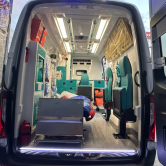
The conversion normally includes an insulated and washable patient compartment, medical cabinetry, stretcher and attendant seating systems, oxygen infrastructure, electrical power, warning lights, siren, ventilation, air conditioning, communication equipment, and the medical devices specified by the buyer. The final configuration must respect payload limits and the applicable ambulance regulations in the destination country.
Why Is the Mercedes-Benz Sprinter Used for Ambulances?
The Sprinter platform is widely selected because it can support several ambulance layouts while remaining practical for daily fleet operation. Its suitability depends on the exact chassis and conversion, but buyers commonly value the following characteristics:
- Multiple body configurations: different wheelbases, roof heights, gross vehicle weight ratings, and drivetrain options may be available depending on the market.
- Usable patient-compartment dimensions: the van body can provide enough room for a stretcher, medical team, oxygen system, storage, and emergency equipment.
- Fleet familiarity: Mercedes-Benz commercial vehicles are already used by many public and private operators around the world.
- Conversion flexibility: the same platform can be engineered for patient transport, Type B emergency use, or Type C intensive care requirements.
- Safety and driver-assistance options: available systems vary by model and market, so they should be confirmed on the final chassis specification.
Buyers comparing a Mercedes ambulance with other van-based platforms should therefore compare complete vehicle specifications—not only the brand or engine power.
Main Mercedes Sprinter Ambulance Types
Patient Transport Ambulance
A patient transport ambulance is intended primarily for medically supervised transport rather than advanced emergency treatment. It may include a main stretcher, attendant seat, oxygen supply, basic first-aid equipment, storage, interior lighting, ventilation, and communication systems. A lighter configuration can help preserve payload and reduce unnecessary equipment costs.
For an example of this use case, see our technical overview of the Mercedes Sprinter 316 CDI patient transport ambulance.
Type B Emergency Ambulance
A Type B ambulance is designed for emergency response, initial treatment, and patient transport. The medical compartment generally requires more working space, equipment capacity, oxygen infrastructure, electrical outlets, and organized access to emergency supplies. The final equipment list should reflect the buyer’s clinical protocols rather than a generic package.
Type C Mobile Intensive Care Ambulance
A Type C or mobile intensive care ambulance is intended for advanced treatment and monitoring during transport. It may require ventilator mounting, defibrillator and monitor locations, infusion systems, additional oxygen capacity, enhanced electrical power, more medical storage, and sufficient access around the patient. Because the conversion and equipment increase vehicle weight, payload calculations are especially important.
How to Select the Correct Sprinter Base Vehicle
1. Gross Vehicle Weight and Payload
Payload should be calculated before production begins. The calculation must consider the base vehicle, ambulance conversion, installed medical devices, oxygen cylinders, stretcher, crew, patient, consumables, fuel, and optional equipment. A visually impressive conversion is not useful if the completed vehicle cannot operate within its legal weight limit.
2. Wheelbase and Roof Height
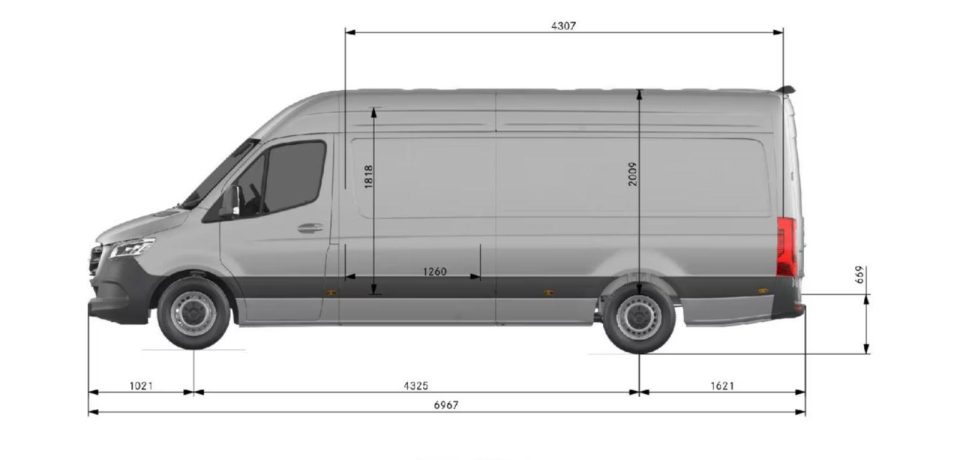
A longer wheelbase and higher roof can improve medical-compartment ergonomics, but they can also affect maneuverability, overall dimensions, weight, transport costs, and local registration. The correct balance depends on the clinical mission and operating environment.
3. Engine, Transmission, and Drivetrain
Engine output, manual or automatic transmission, rear-wheel drive or all-wheel drive availability, emissions equipment, and axle ratings differ by market and model year. Buyers should request the complete base-vehicle data sheet and confirm local fuel quality, service support, and registration requirements.
4. Climate and Operating Conditions
An ambulance operating in extreme heat, cold, humidity, dust, or high altitude may need a different insulation package, patient-compartment air-conditioning capacity, heating system, battery configuration, and material selection. These conditions should be included in the initial technical specification.
5. Local Compliance and Documentation
Ambulance regulations and registration procedures vary by destination. Before ordering, the buyer should clarify the required standard, homologation route, inspection process, certificates, language of labels, warning-light colors, siren rules, and documentation. Where EN 1789 compliance is requested, the contractual scope and supporting documents should be defined clearly.
Essential Systems in a Mercedes-Benz Sprinter Ambulance
A professional Mercedes-Benz Sprinter ambulance conversion should integrate the vehicle and medical compartment as one system. Important areas include:
- Patient compartment: smooth, durable, washable, and disinfectant-resistant surfaces.
- Stretcher system: secure fixation, safe loading, appropriate working load, and compatibility with the intended operational protocol.
- Medical oxygen: protected cylinder storage, regulators, outlets, hoses, and clear access for inspection.
- Electrical installation: protected circuits, auxiliary power, charging, outlets, control panels, and clearly labeled wiring.
- Lighting and warning systems: interior examination lighting plus exterior warning equipment configured for local regulations.
- Climate control: heating, cooling, and ventilation sized for the patient compartment and destination climate.
- Medical storage: secure cabinets and equipment mounts positioned for safe access while the vehicle is moving.
- Communication and visibility: intercom, radio preparation, rear-view systems, and other options specified by the operator.
Common Procurement Mistakes
Many ambulance procurement problems begin before manufacturing. A buyer may request a long equipment list without confirming payload, choose a chassis before defining the medical mission, or assume that one country’s approval automatically applies in another country.
- Comparing quotations without checking whether the base vehicle, conversion, medical equipment, freight, inspection, and certification are included.
- Failing to define the ambulance type and intended clinical use.
- Ignoring completed-vehicle weight and axle-load calculations.
- Leaving brands and models of critical medical equipment unspecified.
- Not agreeing on factory acceptance tests, documentation, training, warranty scope, and spare-parts support.
- Assuming that delivery terms automatically include customs clearance or local registration.
What Should a Technical Quotation Include?
A useful quotation for an ambulance Mercedes Sprinter project should identify the exact base-vehicle model and year, steering position, engine and transmission, wheelbase, roof height, gross vehicle weight, ambulance type, conversion materials, major systems, stretcher arrangement, medical equipment brands and models, compliance basis, production time, Incoterm, warranty, and exclusions.
Photographs and a general equipment list are not enough for a serious evaluation. Buyers should request a line-by-line technical compliance response so that the same document can later support factory inspection and final acceptance.
Frequently Asked Questions
Is a Mercedes Sprinter suitable for a Type C ambulance?
It can be suitable when the selected chassis provides the required space, payload, axle capacity, and regulatory compatibility. The conversion design and equipment list must be evaluated against the completed vehicle—not against the empty van alone.
What is the difference between a Mercedes ambulance and a standard Sprinter van?
A standard van becomes an ambulance only after an engineered conversion integrates the medical interior, stretcher system, oxygen installation, electrical power, warning systems, climate control, safety features, documentation, and required medical equipment.
Can a Mercedes-Benz ambulance be customized?
Yes. The layout, seats, cabinets, oxygen capacity, stretcher system, electrical outlets, medical devices, warning equipment, graphics, and documentation can be configured around the project specification, subject to weight, safety, and legal limits.
Which Sprinter model should a buyer choose?
The correct model depends on the ambulance type, payload, destination-country rules, road conditions, climate, service network, and chassis availability. Buyers can also review our Mercedes 417 CDI ambulance overview and ambulance gallery before defining the project.
Request a Mercedes Sprinter Ambulance Quotation
Infinity Chassis Units develops ambulance conversions for international healthcare, emergency service, and fleet projects. To receive an accurate proposal, send us the required quantity, destination country, steering position, preferred Sprinter model, ambulance type, applicable standard, medical equipment list, and delivery term.
Explore our Mercedes Sprinter ambulance solutions or contact our team for a project-specific technical and commercial quotation.